As cancer treatment evolves, many patients and practitioners are exploring integrative approaches that support conventional therapies while addressing underlying factors that may contribute to disease progression. Among these approaches, chelation therapy for cancer has emerged as a topic of significant interest in functional and integrative medicine circles.
Understanding Chelation Therapy and Heavy Metals
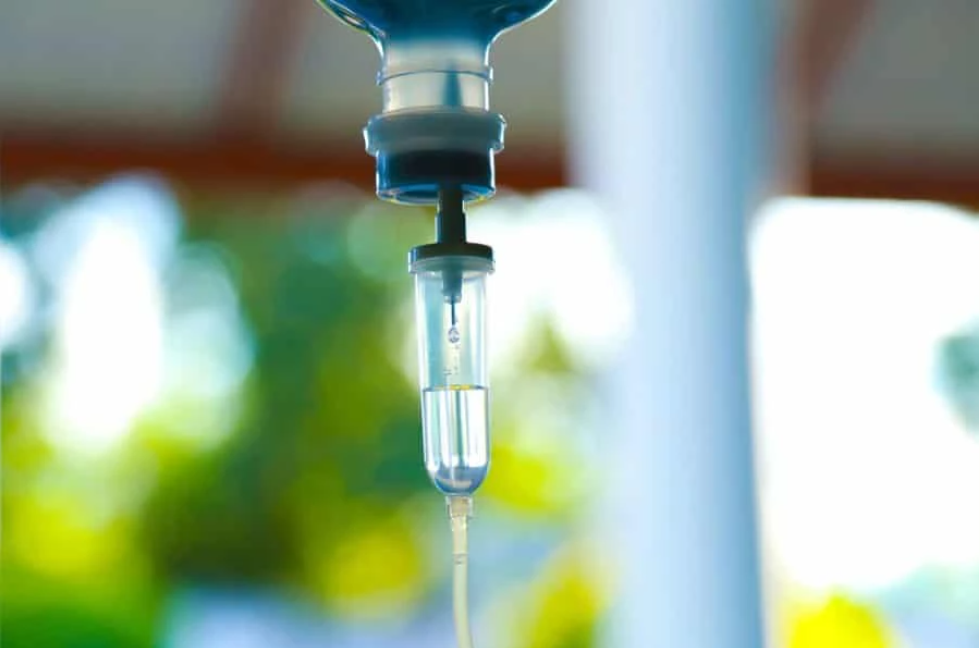
Chelation therapy involves the administration of specific compounds that bind to heavy metals in the bloodstream, forming complexes that can be excreted through urine. The most commonly used chelating agent is EDTA (ethylenediaminetetraacetic acid), though other agents may be used depending on the specific metals involved.
The connection between heavy metals and cancer risk is well-documented in scientific literature. Heavy metals such as arsenic, cadmium, lead, and mercury can:
- Generate oxidative stress and DNA damage
- Disrupt cellular repair mechanisms
- Interfere with essential mineral absorption
- Promote chronic inflammation
These mechanisms create an environment conducive to cancer development and progression, providing the theoretical foundation for chelation therapy for cancer protocols.
The Scientific Rationale for Chelation in Cancer Care
Reducing Oxidative Stress
Heavy metals catalyze the formation of free radicals, creating significant oxidative stress that can damage cellular components and promote tumor growth. By removing these pro-oxidant metals, chelation therapy may help reduce the oxidative burden on tissues.
Supporting Mitochondrial Function
Some heavy metals, particularly mercury and lead, accumulate in mitochondria and disrupt energy production. Since cancer cells often exhibit altered metabolic patterns, supporting healthy mitochondrial function in normal cells may create a less favorable environment for cancer progression.
Enhancing Conventional Treatment Efficacy
Preliminary research suggests that reducing heavy metal burden may improve the effectiveness of certain conventional treatments. Metals can interfere with drug metabolism and cellular uptake, potentially reducing treatment efficacy.
Clinical Evidence and Research Status
While the theoretical basis for chelation therapy for cancer is compelling, the clinical evidence remains limited and mixed:
- Several small studies have shown reduced heavy metal levels and improved quality of life measures in cancer patients receiving chelation therapy
- Research published in the Journal of Trace Elements in Medicine and Biology has documented improved antioxidant status following heavy metal detoxification
- Larger, randomized controlled trials are needed to establish definitive efficacy and optimal protocols
It’s crucial to understand that chelation therapy should be considered a complementary approach rather than a standalone cancer treatment. The most promising results have occurred when chelation was integrated with conventional oncology care.
Safety Considerations and Protocol Design
Chelation therapy for cancer requires careful medical supervision due to potential risks:
- Essential mineral depletion must be monitored and addressed
- Kidney function requires regular assessment
- Treatment must be appropriately timed relative to conventional therapies
- Individual metal burden and health status dictate protocol specifics
A comprehensive approach includes:
- Pre-treatment heavy metal testing
- Individualized dosing and scheduling
- Targeted nutrient repletion
- Regular monitoring of organ function
- Coordination with oncology team
The Integrative Oncology Perspective
Within integrative oncology, chelation therapy for cancer is typically viewed as one component of a comprehensive strategy that may include:
- Nutritional optimization
- Stress reduction techniques
- Targeted supplementation
- Lifestyle modifications
- Conventional cancer treatments
This multimodal approach addresses multiple factors simultaneously, recognizing that cancer is a complex disease requiring equally sophisticated treatment strategies.
References & Further Reading
- Flora, S. J., & Pachauri, V. (2010). “Chelation in Metal Intoxication.” International Journal of Environmental Research and Public Health.
- Sears, M. E., & Genuis, S. J. (2012). “Environmental Determinants of Chronic Disease and Medical Approaches: Recognition, Avoidance, Supportive Therapy, and Detoxification.” Journal of Environmental and Public Health.
- Patrick, L. (2006). “Lead Toxicity, A Review of the Literature. Part 1: Exposure, Evaluation, and Treatment.” Alternative Medicine Review.
Considering Chelation Therapy?
If you’re exploring chelation therapy for cancer as part of an integrative approach, our clinic offers comprehensive evaluation and supervised treatment protocols. We work collaboratively with your oncology team to ensure safe, coordinated care.
Schedule a Consultation to discuss whether chelation therapy might be an appropriate component of your cancer support strategy.